🏔️ Ancient Himachal

⭐1. Introduction

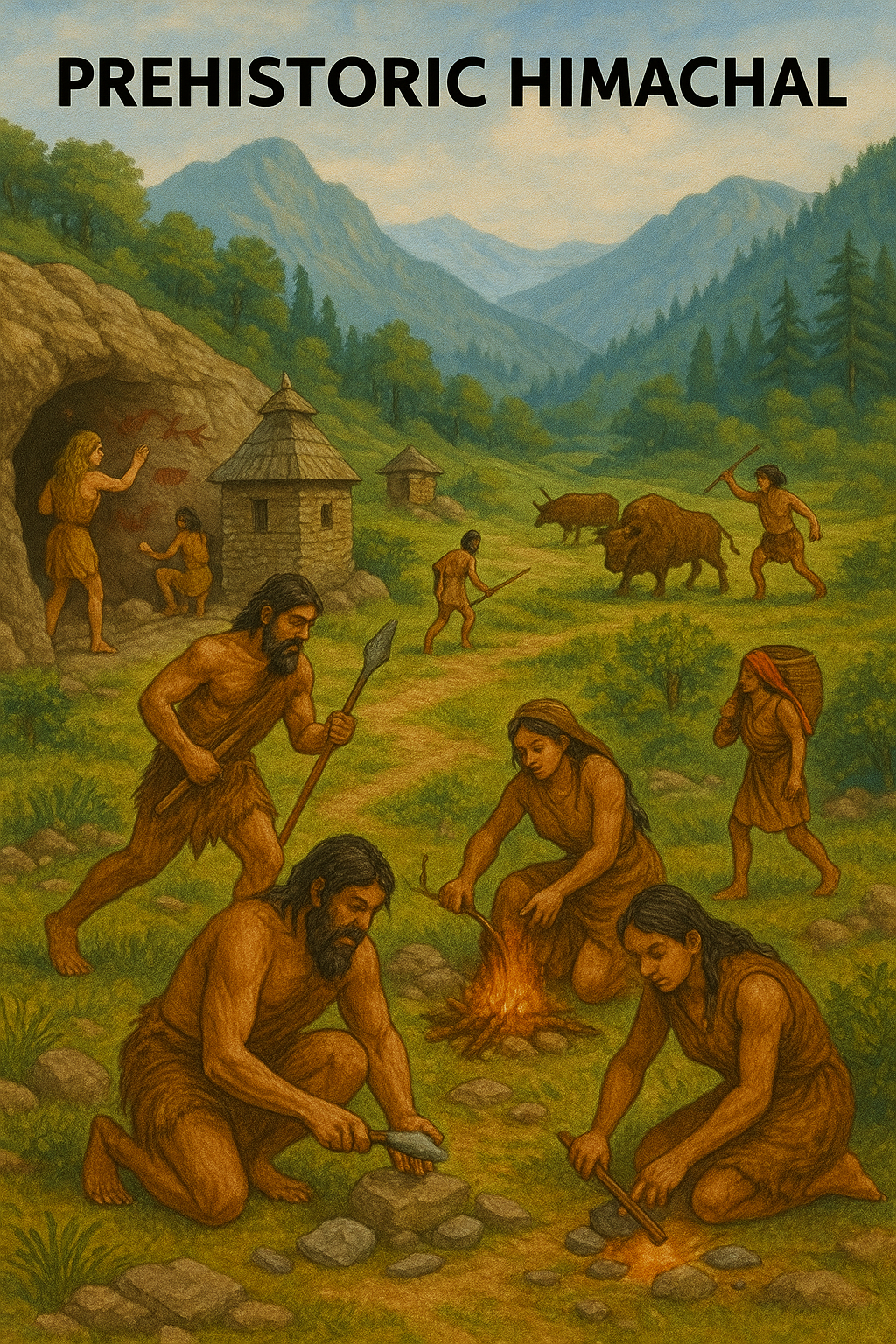
ancient himachal.png

Ancient Himachal refers to the history of Himachal Pradesh before the medieval period, mainly from:

  • Stone Age
  • Vedic Period
  • Mauryan Period
  • Gupta Period

This time includes the earliest human settlements in the Himalayan region.

⭐2. Prehistoric Himachal (Stone Age settlements)

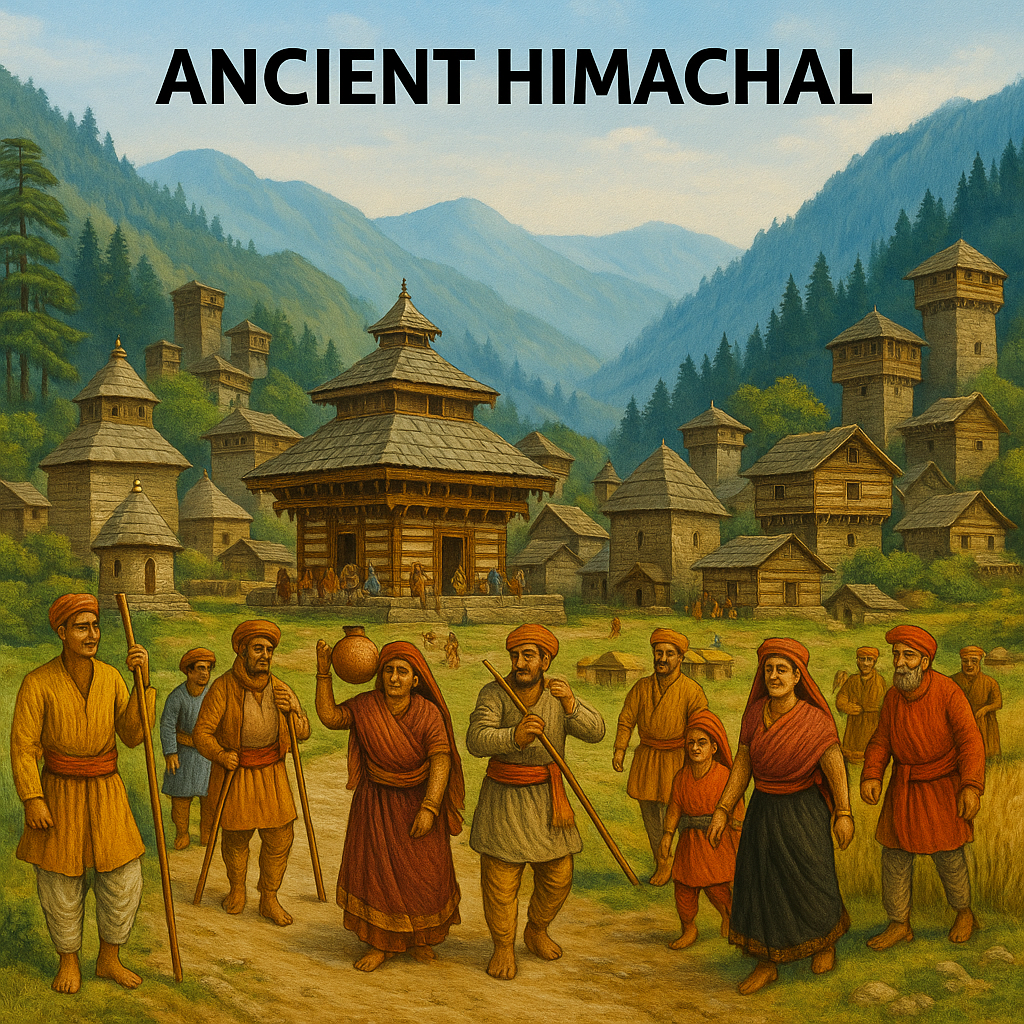
prehistoric himachal.png

Archaeological findings show that early humans lived in Himachal during the Paleolithic (Old Stone Age):

✓Evidence found at:

  • Bangana (Una)
  • Sirsa Valley
  • Baijnath
  • Kangra region
  • Kullu Valley

✓Tools found:

  • Stone tools
  • Hand axes
  • Scrapers
  • Choppers

These prove that early humans hunted animals and lived near rivers and caves.

⭐3. People of Ancient Himachal

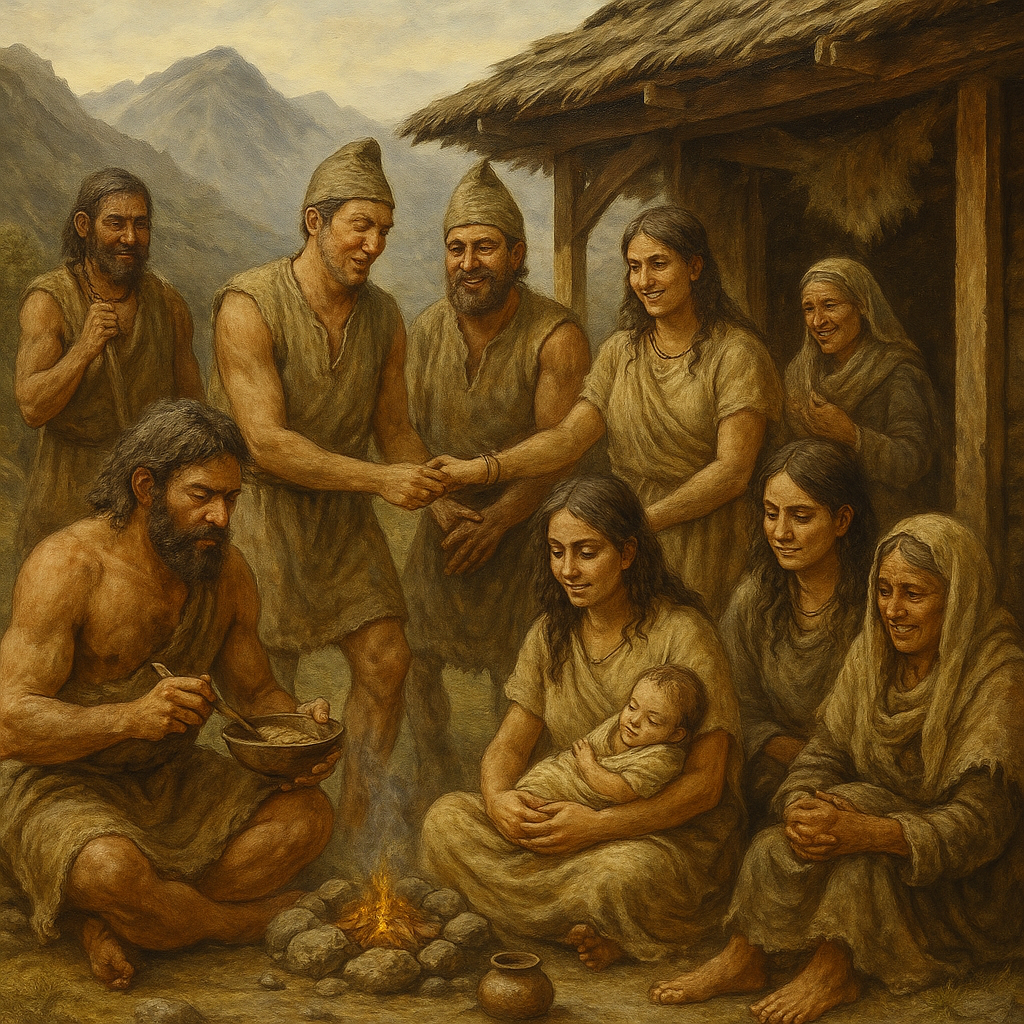
people of ancient himachal.png

The earliest people of Himachal were:

✓1. Dasa/Dasyu

Mentioned in Rigveda as early inhabitants.

✓2. Kinnaras

Living in high mountains (Kinnaur region).

✓3. Nagas

Tribes living in lower hills like Chamba and Kullu.

✓4. Kiratas

Powerful tribes described in Mahabharata; lived in Himachali's forests.
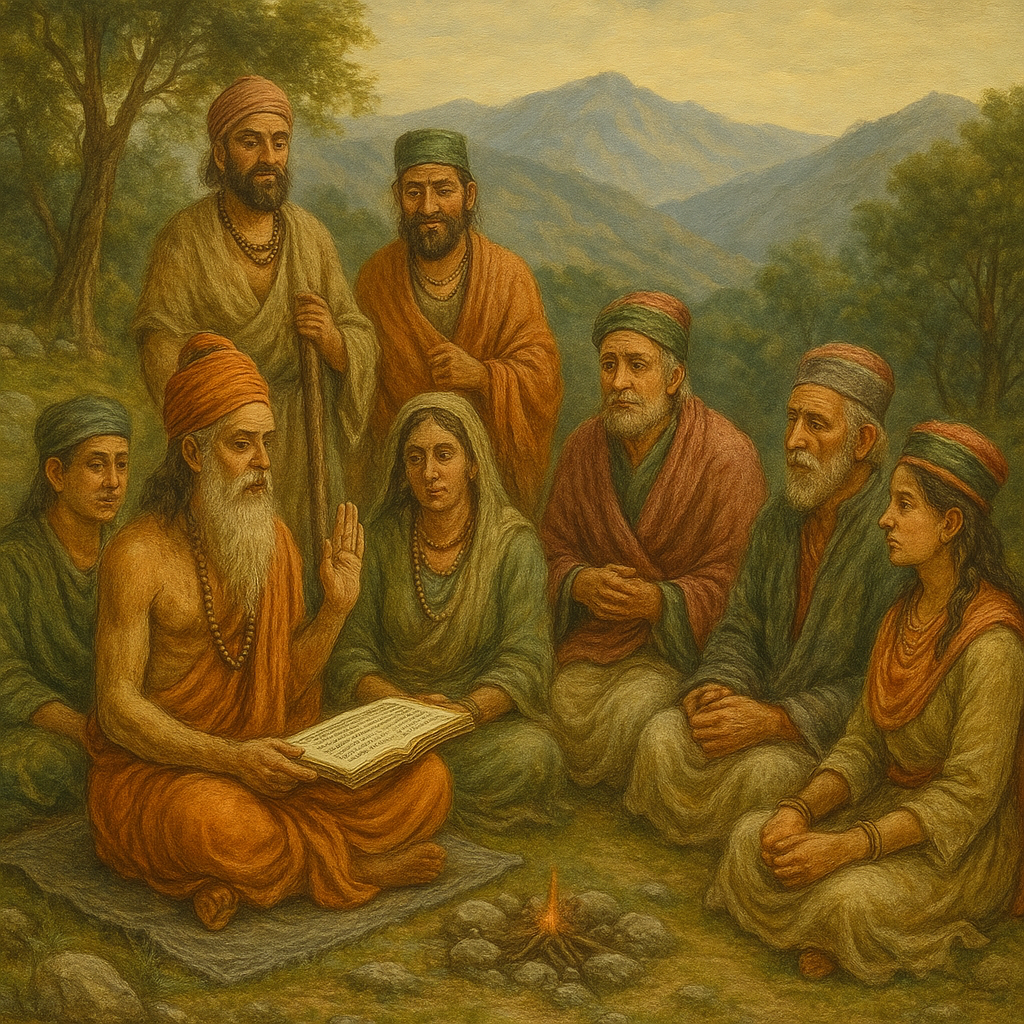

⭐4. Himachal in Vedic Period (1500-600 BCE)

himachal in vedic period.png

During the Vedic period:

  • The region was called Dev Bhoomi
  • Aryans slowly migrated into lower Himachal
  • Kiratas and Nagas were already settled
  • Small tribal kingdoms were formed
Important

Vedic texts mention Himalyan rivers and tribes living in Himachal.
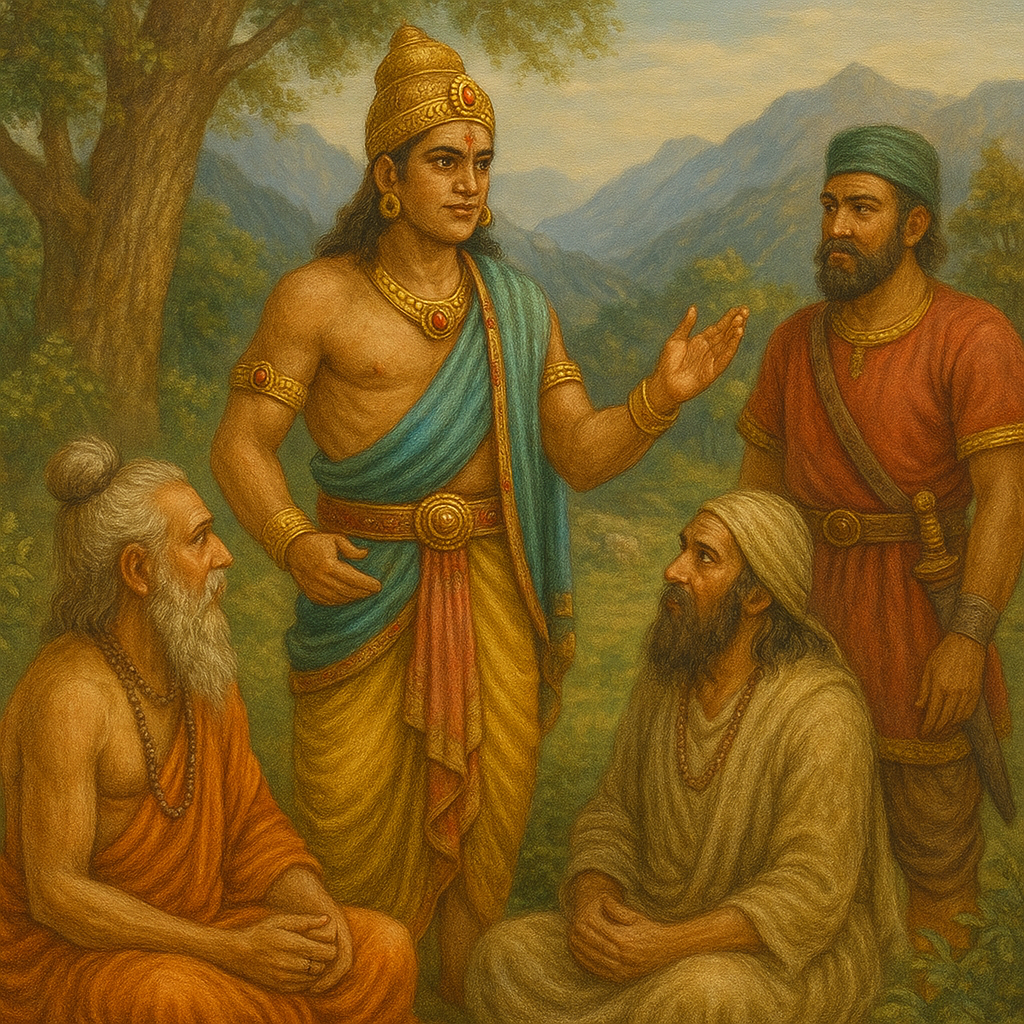

⭐5. Himachal During Mauryan Empire (322-185 BCE)

Himachal during Mauryan Empire.png

The Mauryan Empire (Ashoka's rule) covered large parts of Himachal.

✓ What Ashoka did in Himachal:

  • Build Stupas
  • Spread Buddhism
  • Controlled Kangra, Sirmaur, Una regions
  • Rock inscriptions found in Kalsi (near HP)

✓ Important point:

After Ashoka's death, Mauryan control weakened and many small hill states grew again.
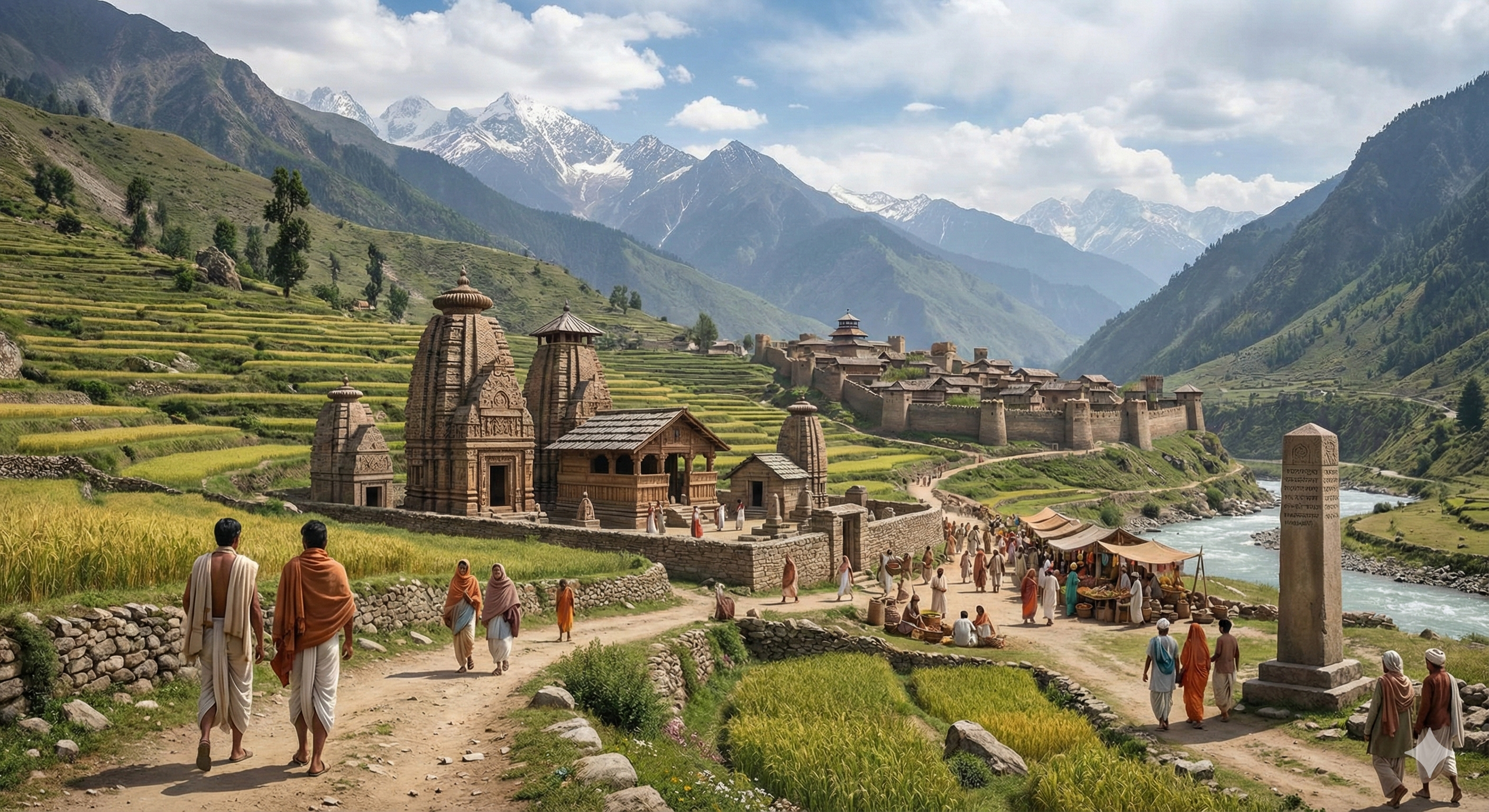

⭐6. Himachal During Gupta Period (320-550 CE)

himachal during gupta period.png

Gupta Empire influnece reached some parts of Himachal.

✓Features of the period:

  • Growth of small hill kingdoms
  • Rise of rulers in Chamba, Kullu, Kangra
  • Art, temple culture start developing
  • Buddhism remained strong in upper hills

Key fact: Gupta power here was limited due to tough mountains.
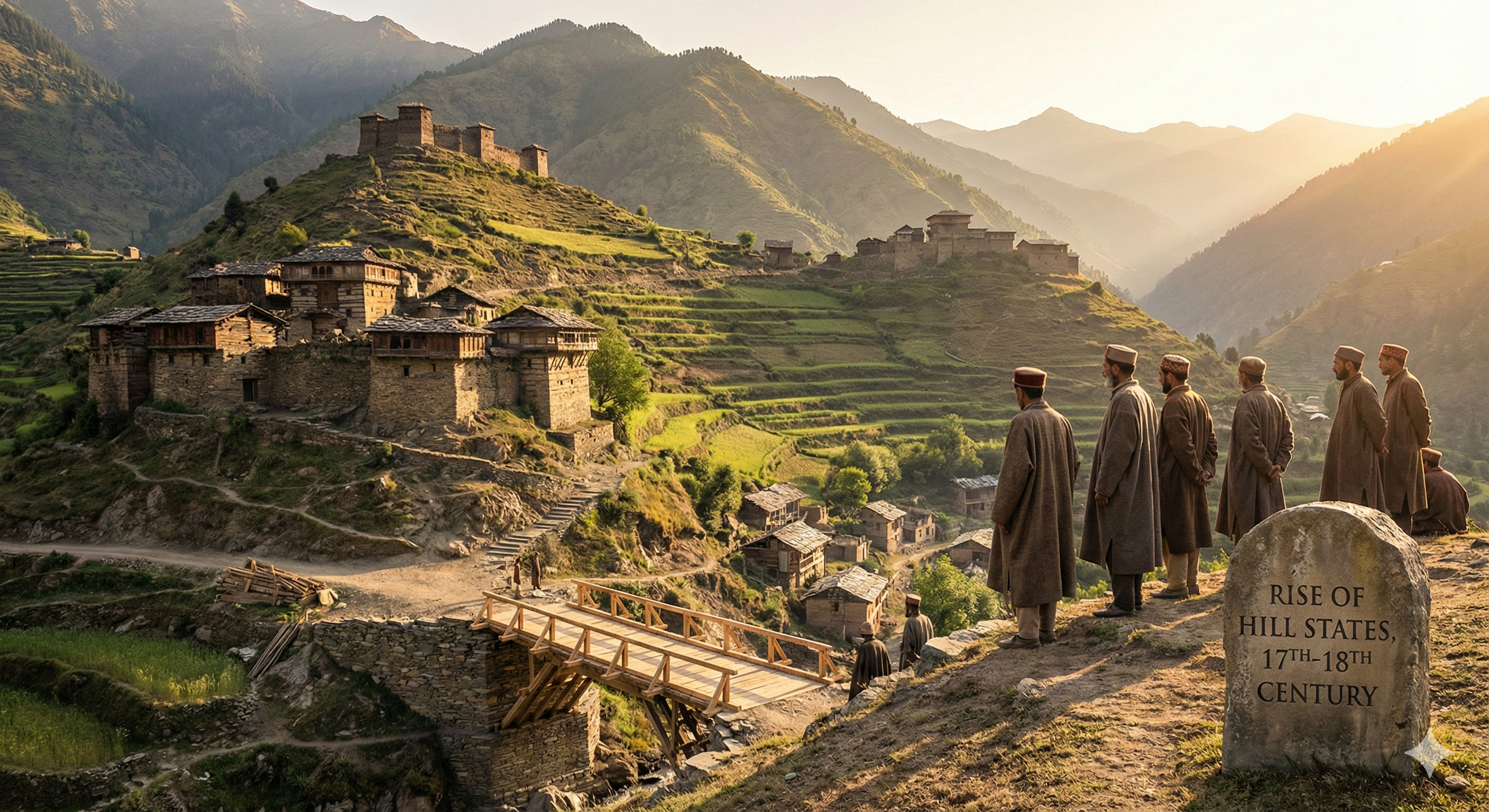

⭐7. Rise of Hill States (MOST IMPORTANT)

Rise of hill states.png

After Mauryans & Guptas, many independent hill kingdoms developed:

✓ Major ancient hill states:

  • Kangra (largest & strongest)
  • Chamba
  • Kullu
  • Bilaspur
  • Shimla

Kangra State was ruled by Katoch Dynasty, one of the world's oldest dynasties
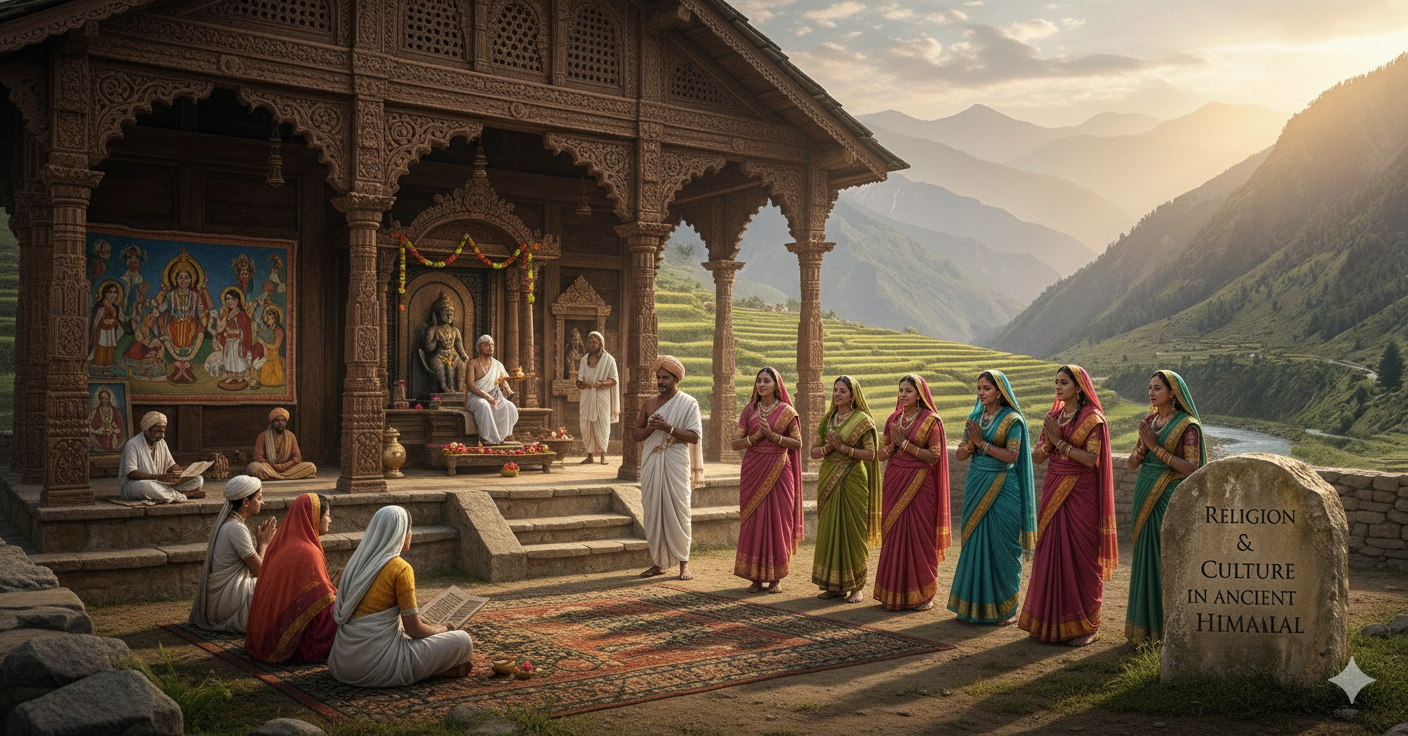

⭐8. Religion & Culture in Ancient Himachal

Religion and culture of himachal pradesh.png

✓Main practices:

  • Idol worship
  • Nature worship (mountains, rivers)
  • Naga cult
  • early Shaivism
  • Buddhism (in upper Himachal)

✓Important early temples:

  • Hatkoti Temple (Shimla)
  • Baijnath Temple (Kangra) - later developed
  • Trilokinath Temple (Lahul)

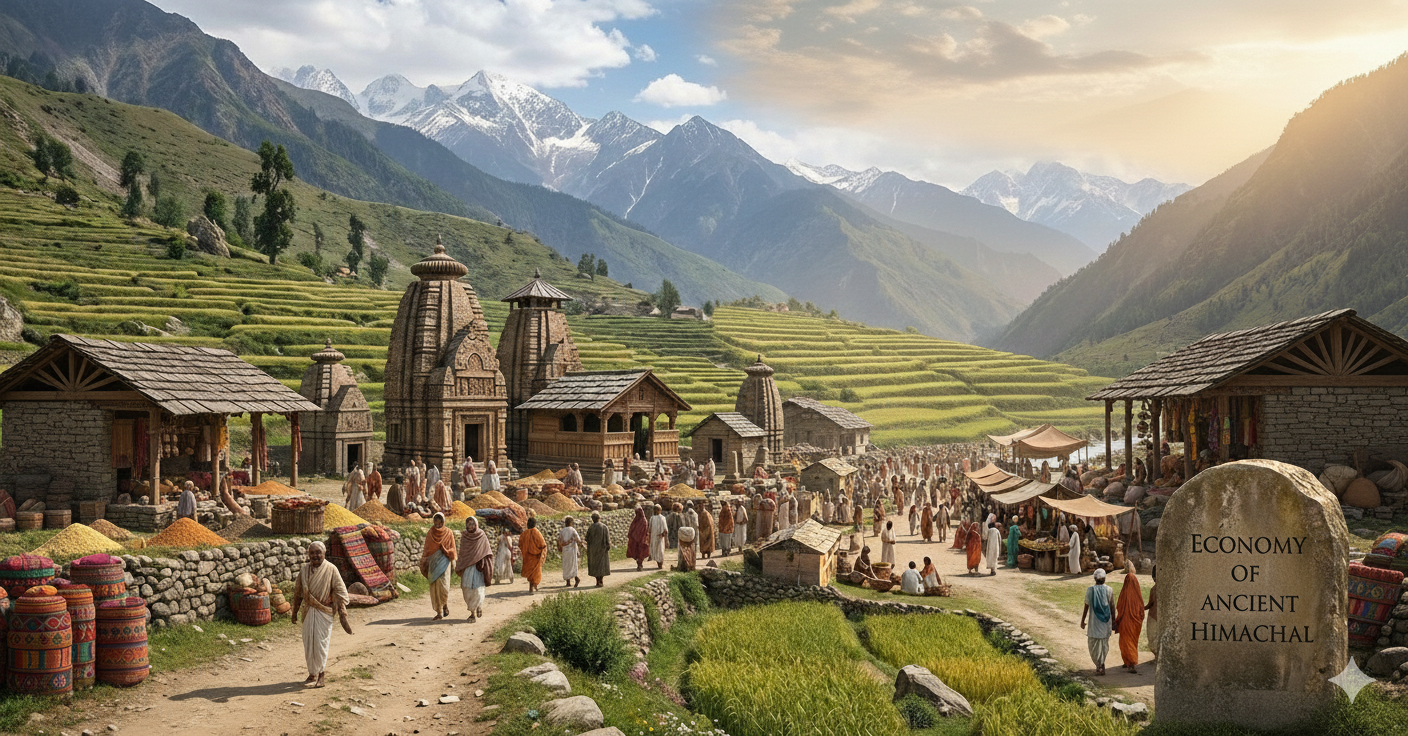
⭐9. Economy of Ancient Himachal

economy of ancient himachal.png

People survived through

  • Hunting
  • Agriculture
  • Sheep & goat rearing
  • Wool and handicrafts
  • Small trade with Tibet, Kashmir, Punjab

⭐10. Important Terms (for exams)

Dasyu: Early tribes Kinnaras: Mythical mountain tribes Kiratas: Forest tribes mentioned in Mahabharata Stupa: Buddhist structure Katoch dynasty: Rulers of Kangra, very ancient


⭐11. Very Important Exam Questions (Most Asked)

Q1. Which tribes lived in ancient Himachal?

→ Kiratas, Nagas, Kinnaras, Dasyu

Q2. Who ruled Kangra in ancient times?

→ Katoch Dynasty

Q3. Which emperor brought Buddhism to Himachal?

→Ashoka

Q4. Evidence of early human life found at?

→ Bangana (Una), Sirsa Valley

Q5. Which state is the oldest hill state?

→ Kangra

Q6. Stupas built in Himachal belong to which ruler?

→ Ashoka

Q7. In which period did not small hill states rise?

→ Post-Gupta period